
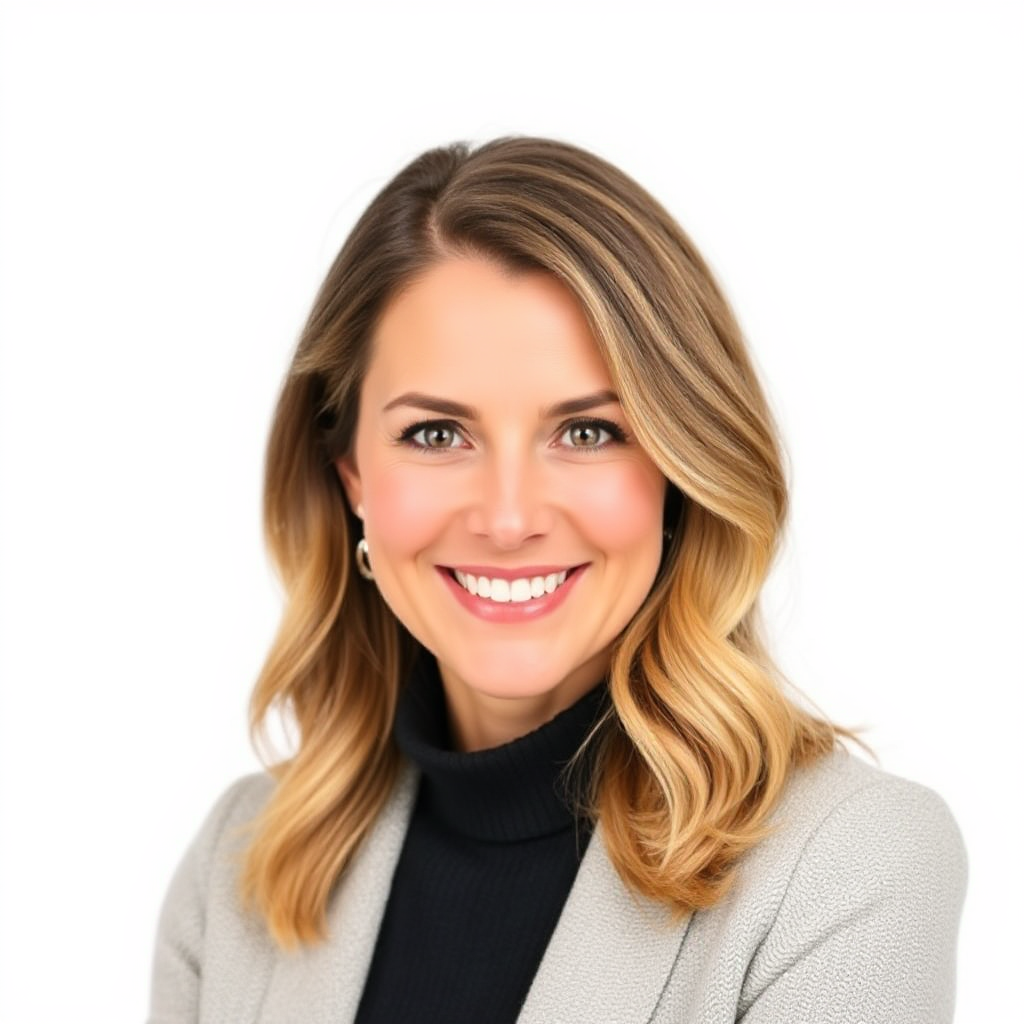

Previous Google boss Matt Brittin has been appointed as the BBC's incoming chief executive.
The former president of the tech giant's EMEA operations will succeed Tim Davie, who announced his resignation in the autumn in the wake of a storm over how a current affairs show presented a address by Donald Trump.
BBC chairman Samir Shah that the appointee, who left Google in 2025 after nearly two decades, "offers the BBC considerable expertise of managing a high-profile and highly-complex institution through significant evolution".
Brittin, 57 commented he "is eager to begin this role", calling it "a time of genuine risk, yet also genuine possibility".
He stated that the country needs "a successful BBC that benefits all in a complicated, volatile and rapidly evolving landscape".
Detailing his priorities, he said: "It must have the momentum and energy to be simultaneously at the heart of news, and where viewers and listeners are. To strengthen the audience, trust and creative strengths currently, tackle issues with determination, and prosper as a national institution fit for the years ahead."
'Sweeping Reform'
Shah called the new appointee "an outstanding manager" with "the attributes required to steer the corporation through the numerous changes taking place in the media landscape and in viewer and listener preferences".
The chairman also commended his "dedication to the BBC, his comprehension of the challenges facing the organisation, his dedication to its autonomy and his drive to maintain the BBC's position as one of the country's most important national assets".
The new director general arrives at "a critical time", as the government assesses the BBC's constitutional framework, the chairman continued.
"Undoubtedly there is a necessity for radical reform of the BBC, its funding model and the structure in which it functions. The consequences for the BBC, and the future of publicly-funded media, have never been greater."

The corporation's top job is seen to be one of the toughest in the UK's broadcasting.
During his tenure as the broadcaster's 17th director general, he was faced with dealing with a series of scandals and difficult periods at the organisation.
His immediate concerns will include addressing a multi-billion libel lawsuit initiated by the US president against the BBC.
Trump is disputing the way the programme combined two sections of a address he delivered on 6 January 2021, for which the BBC has apologised.
Last week the broadcaster asked a judge to dismiss the claim, arguing the controversial episode was not broadcast in the United States.
BBC at a Critical Juncture
The new director general takes charge at a critical period for the BBC in other ways, too.
He will continue discussions with the UK government on the broadcaster's remit and the future of the TV licence and public service budget.
The present framework, which defines the objectives and aims of the BBC's existence, will run out in the near future.
His hiring also arrives at a time when the BBC is battling with large technology firms in the streaming landscape.
The search engine's owner operates YouTube, with which the BBC recently announced a landmark partnership to develop tailor-made programmes.
Technology Experience a Asset?
A number of individuals at Google "speak highly" about him, as an motivational leader and a excellent colleague".
Some have questioned the BBC's choice of someone with a professional roots in tech rather than traditional broadcasting or conventional journalistic knowledge.
However, it is understood that "the board selected him by the corporation's directors for his insider knowledge of big tech. There's an expectation he will champion the shift to digital, for example in journalism. He'll also probably prioritise evolving and innovating BBC iPlayer."
Former BBC Newsnight editor a former colleague, who was alongside Brittin at Google, commented he is "deeply inspired by a feeling of public service".
"He admires the BBC for its trusted journalism and its creative output, but he's also very conscious of its history as a technical trailblazer.
"He wants the BBC to thrive in a environment where many of its greatest challenges are connected to digital innovation, whether that's the influence of the streamers, online disinformation, or simply how the public wish to consume content.
"Given his background and connections throughout the digital world, and also the ties he's built with media companies, the news industry, regulators and governments, I think he's extremely well positioned to meet the tasks."
Who is Matt Brittin?

Hailing in Walton-on-Thames, Surrey, Brittin obtained a qualification from the Cambridge University, while also competing in rowing for them in the annual race multiple times.
He also rowed for Great Britain and won|secured|earned


